Most people can picture where learning happens. A student sits at a desk. A teacher stands nearby. A lesson begins.
But a desk was never meant to be the edge of a student’s world.
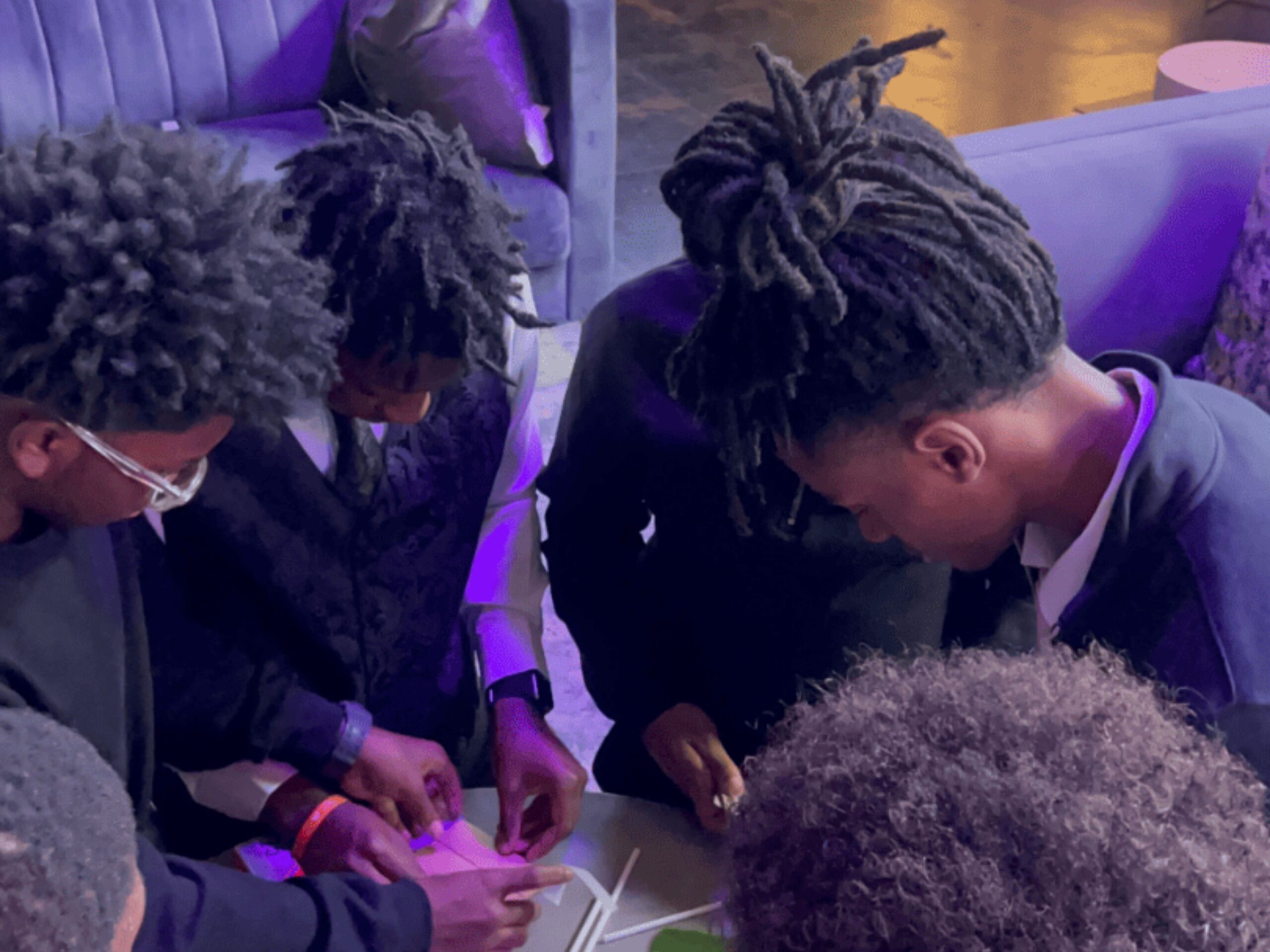
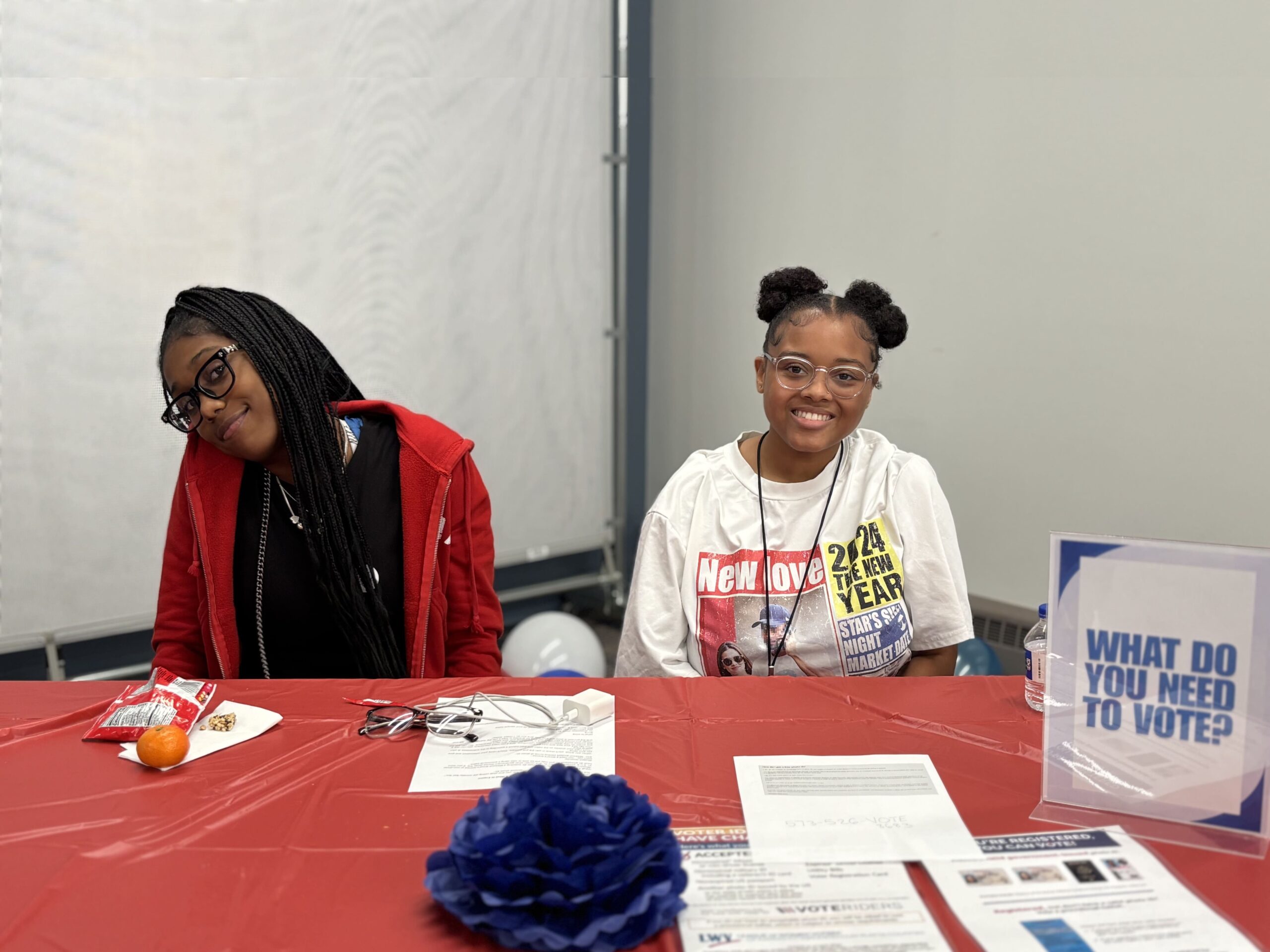
At Crossroads, you learn in classrooms. You also learn through hands-on projects, authentic experiences, and expeditions into downtown Kansas City.
Because knowledge isn’t finished when you remember it.
It becomes powerful when you learn how to use it.
“WHY DO I NEED TO KNOW THIS?” IS A QUESTION SCHOOL SHOULD BE ABLE TO ANSWER.
You shouldn’t have to wait until you’re an adult to discover why something matters. You should get chances to connect what you’re learning today to the world around you.
–Math can help you understand a real problem.
–Writing can help you explain an idea that matters.
–Science can help you test what you think is true.
–History can help you understand your community.
Instead of only asking, “Will this be on the test?” you can start asking, “What can I do with what I know?”
Learning stops being something you collect.
It becomes something you use.
WHEN YOUR SCHOOL SITS IN THE MIDDLE OF A CITY, THE CITY CAN BECOME PART OF HOW YOU LEARN.
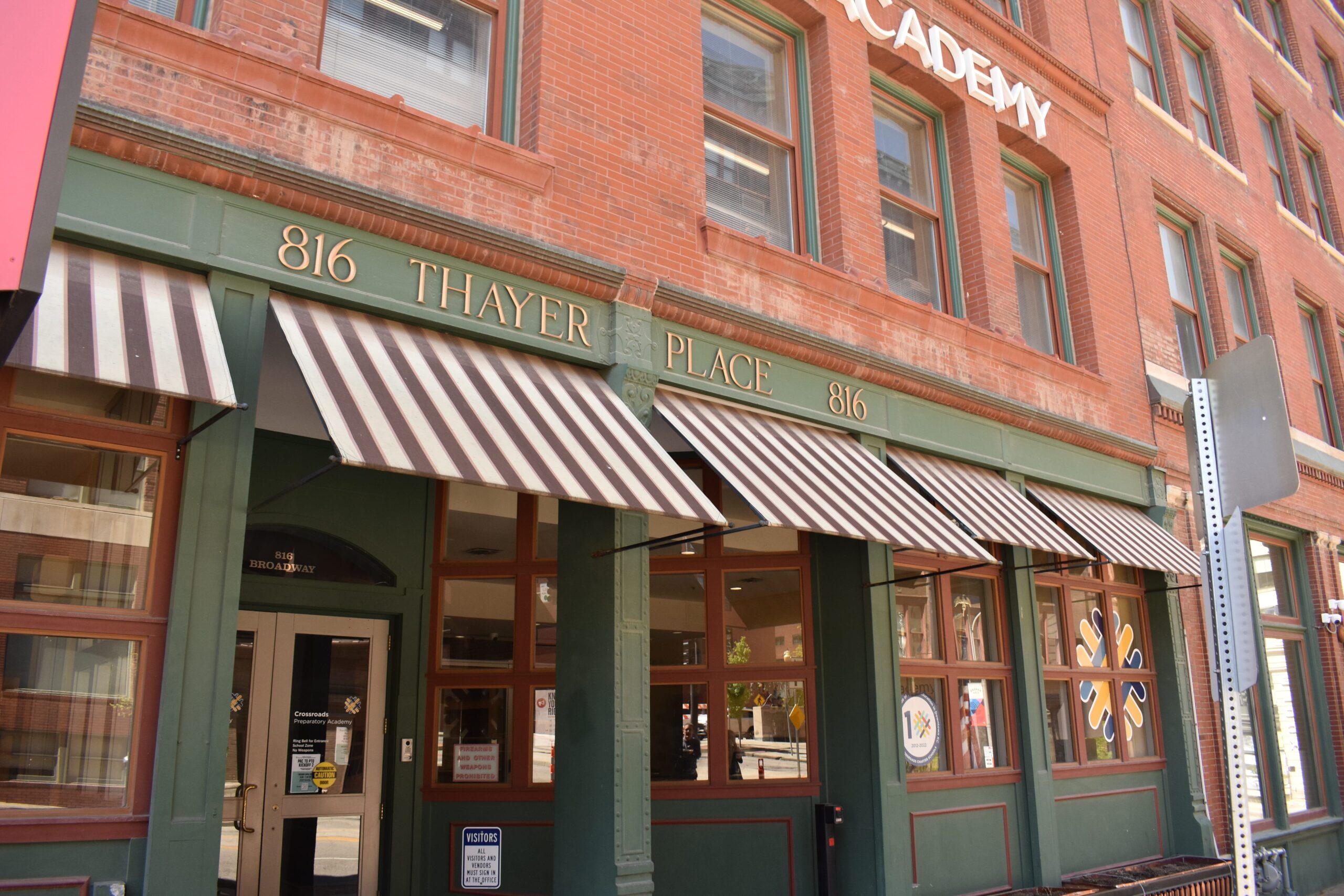
Downtown Kansas City isn’t just where Crossroads is located. It gives you another place to explore questions, people, ideas, and real-world problems.
A question doesn’t always have to end with a worksheet. It can lead to a project, an expedition, a conversation, or a closer look at something happening in your own community.
The classroom doesn’t disappear.
It gets bigger.
REAL PROBLEMS DON’T COME WITH ANSWER KEYS.
A textbook problem often tells you what you need to solve. A real problem may require you to figure that out first.
You have to listen. Ask questions. Work with other people. Try an idea–and sometimes discover that it doesn’t work.
Then you learn, adjust, and try again.
That kind of learning can be messy. But life is messy, too.
If you only practice problems where the directions and right answer are already provided, an important part of learning is missing.
You also need practice figuring out what to do when the answer isn’t obvious.
WHAT YOU KNOW MATTERS. WHAT YOU CAN DO WITH IT MATTERS, TOO.
Real World Learning doesn’t make strong academics less important. It gives those academics somewhere to go.
You read so you can understand. You write so you can communicate. You learn math so you can reason. You study science so you can question, test, and discover.
Then you put those skills to work.
That’s when you stop seeing yourself only as a student learning about the world.
You begin seeing yourself as someone who can take part in it.
A DESK IS A GOOD PLACE TO BEGIN. IT WAS NEVER MEANT TO BE THE FINISH LINE.
The world you’re preparing for isn’t waiting somewhere far in the future. It’s already outside the classroom, filled with questions that need asking and problems that need solving.
That’s why learning can’t end when the lesson does.
Because the real test of learning isn’t only what you know.
It’s what you can do with what you know.
That’s what it means to be Built for What’s Next.
P.S. Built for What’s Next isn’t a newsletter about school events. It’s about the beliefs behind great schools–and how those beliefs shape young lives. Each week, we pull back the curtain on the choices, relationships, and everyday moments that help students grow in confidence, character, and purpose. If you’d like to learn more about the Crossroads approach and the community we’re building together, visit CrossroadsSchoolsKC.org.