A classroom can look successful for the wrong reason.
You see students sitting quietly. Hands only go up when someone is sure. Answers are mostly right.
It can look like high expectations are working.
But there is another possibility: Students may have learned not to let anyone see them until they know they’re right.
And that can get in the way of learning.
WHEN BEING WRONG FEELS DANGEROUS, YOU LEARN TO HIDE YOUR THINKING.
Imagine you think you know an answer. But you are not sure.
You can raise your hand and risk being wrong. Or you can wait for someone else to answer first.
If being wrong feels embarrassing, waiting makes sense.
But now your teacher cannot see what you were thinking.
That matters!
Because sometimes the wrong answer contains exactly the information a teacher needs.
MISTAKES MAKE YOUR THINKING VISIBLE.
A wrong answer is not just a wrong answer. It can show where your thinking changed direction.
- Maybe you misunderstood the question.
- Maybe you missed one step.
- Maybe you had the right idea but were missing one piece of information.
Those are different problems–and they may need different kinds of help.
A wrong answer can tell a good teacher more than a blank page ever could.
You cannot help someone rethink an idea they are afraid to show you.
HIGH EXPECTATIONS SHOULD CREATE MORE THINKING — NOT MORE HIDING.
At Crossroads, High Expectations starts with the belief that every student is capable of great things.
That means a wrong answer does not lower what you believe about a student.
It gives you better information about what they need next.
A mistake does not have to mean, “You can’t do this.” It can mean, “Now we know where to look.”
When you believe someone can get there, the goal does not have to disappear because they took a wrong turn.
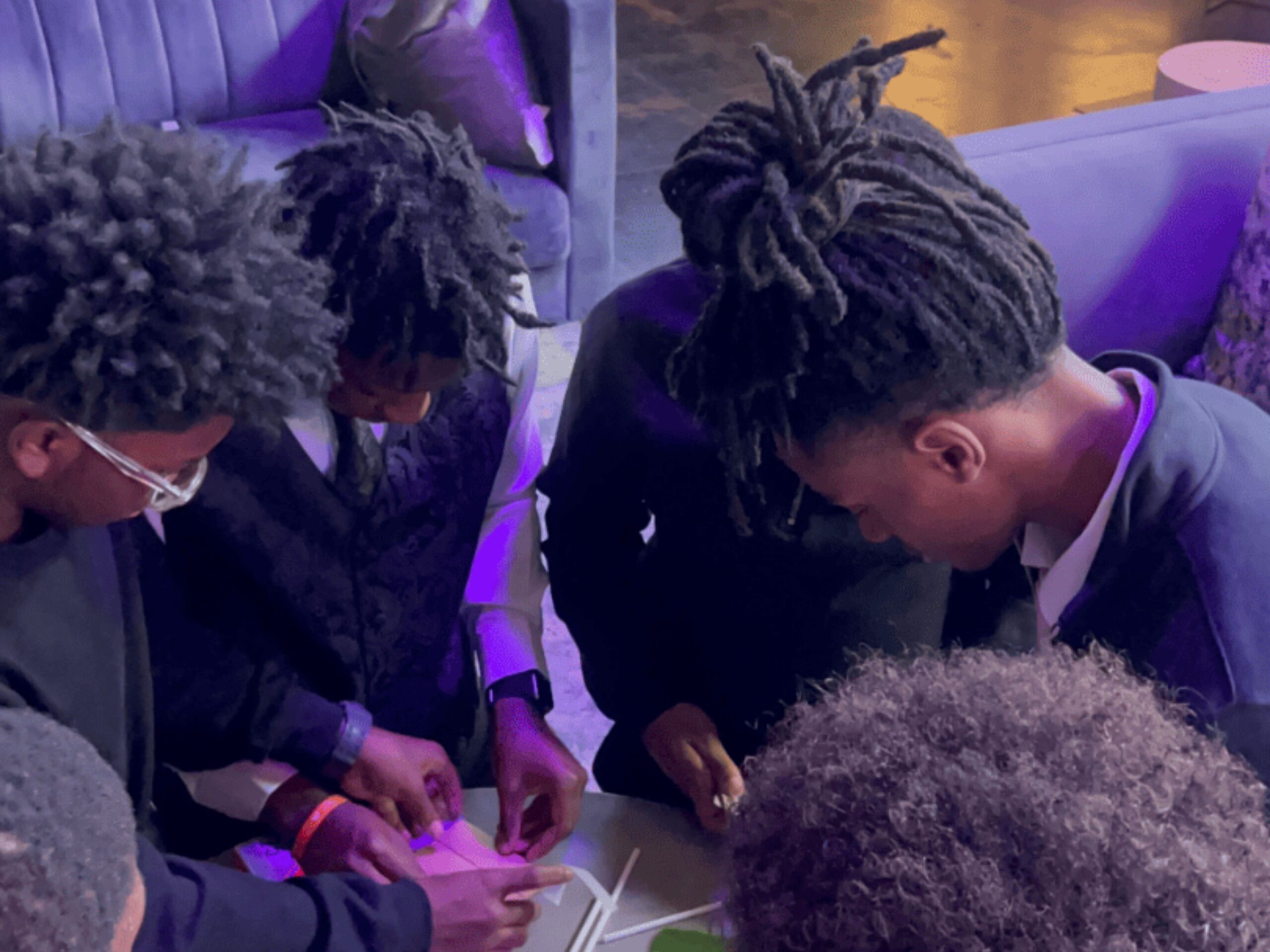
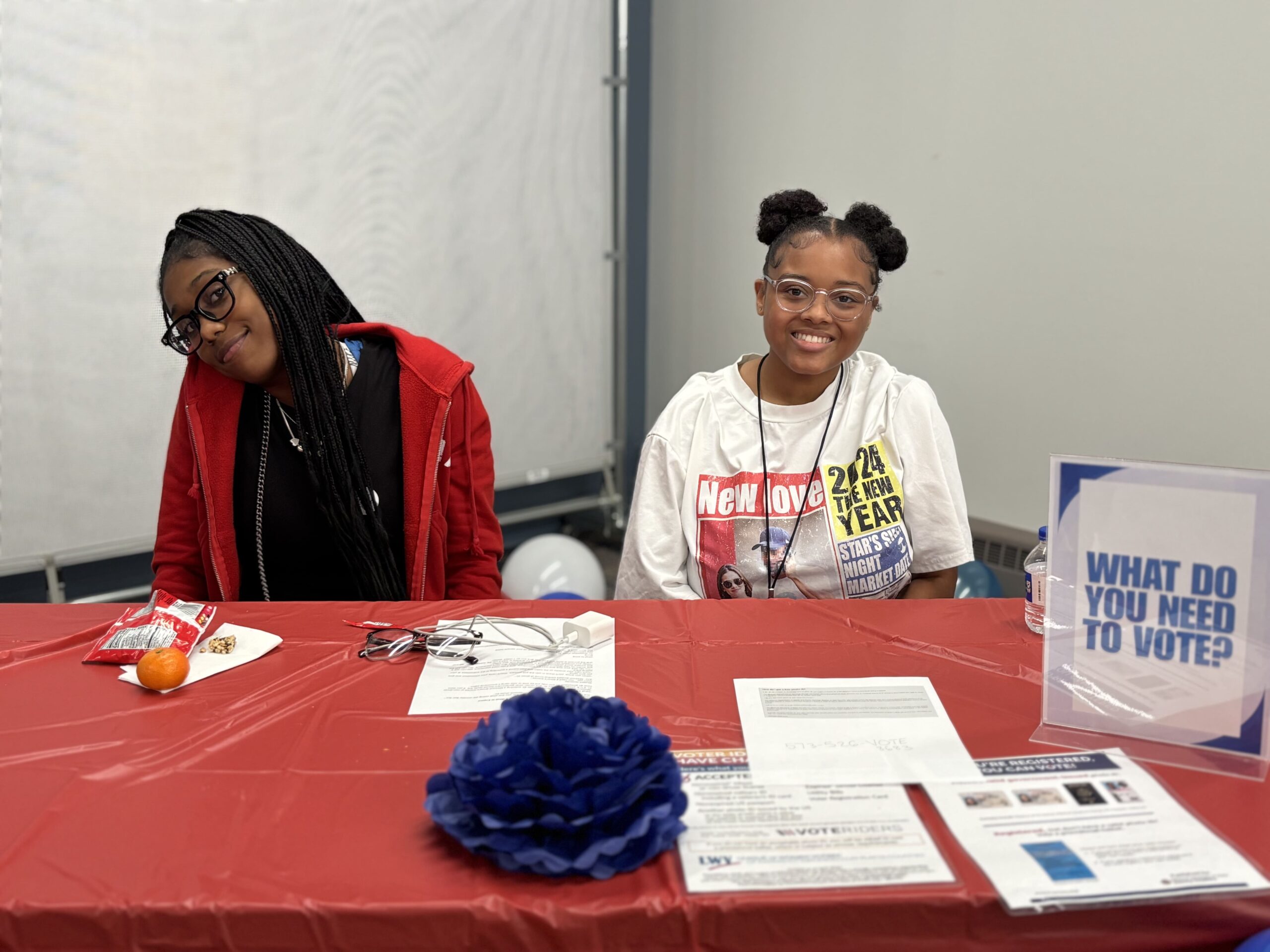
Recently, students in Ms. Lusso’s Trailblazer Innovation Lab at Crossroads Prep put the first part of their school year’s preparation into action at a Voter Registration and Education Event with the Beta Lambda Educational Institute.
They helped real guests learn about the voting process and voter registration.
Work like that asks something different of you. You cannot wait until every word is perfect or every moment is predictable.
You have to use what you know, respond to the person in front of you, and keep thinking as you go.
That is what high expectations can look like in practice.
A MISTAKE IS NOT THE LESSON. WHAT YOU DO WITH IT IS.
Making a mistake does not automatically create learning.
Something has to happen next.
- What did you miss?
- What were you thinking?
- What could you try differently?
Sometimes you need another example. Sometimes you need more practice. Sometimes you need the problem explained another way.
Then you try again.
The mistake gives you information. Learning happens when you use it.
THE RIGHT HELP KEEPS YOU IN THE THINKING.
When you struggle, giving you the answer can feel helpful.
Sometimes you need support. But support and rescue are not the same thing.
A question can help. So can a hint, another example, or enough time to try again.
The goal is not to remove every hard moment.
It is to give you what you need to stay in the work.
High expectations say: “This is hard. You do not have it yet. And you are still capable of getting there.”
THE GOAL ISN’T TO NEVER GET STUCK. IT’S TO KNOW WHAT TO DO NEXT.
You are going to get things wrong.
You will misunderstand something. Choose an idea that does not work. Reach an answer and later realize you missed something.
That does not make mistakes the goal. Growth is the goal. And growth requires you to do something many people spend years trying to avoid:
Let someone see your thinking before it is perfect.
Because once your thinking is visible, you can question it. Test it. Get help with it. Change it.
The absence of mistakes is not always a sign of high expectations.
Sometimes it is a sign that nobody wants to risk being wrong.
A better question is what happens after the mistake.
Do you hide it? Or do you look again, learn something, and keep going?
Because the real test is not whether you always know the answer.
It is whether you know what to do when you don’t.
That is how you become Built for What’s Next.
P.S. Built for What’s Next isn’t a newsletter about school events. It’s about the beliefs behind great schools–and how those beliefs shape young lives. Each week, we pull back the curtain on the choices, relationships, and everyday moments that help students grow in confidence, character, and purpose. If you’d like to learn more about the Crossroads approach and the community we’re building together, visit CrossroadsSchoolsKC.org.