School gives you a lot of questions. And many of them have answers.
But the hardest problems rarely tell you what kind of problem they are.
They don’t tell you which lesson to use. They don’t tell you which question to ask. And they don’t come with an answer key.
That is where a different kind of learning begins.
Because knowing things matters. But knowing what to do when you don’t know matters, too.
KNOWLEDGE GIVES YOU SOMETHING TO THINK WITH. IT DOESN’T DO THE THINKING FOR YOU.
Thinking and memorizing are not opposites.
You need knowledge to think.
You need to understand soil before you can improve it. You need information before you can build a useful field guide. You need data before you can make a good decision.
Knowledge gives you a starting point, to be sure! Then you have to decide what to do with it.
REAL PROBLEMS GIVE YOU CHALLENGES, NOT INSTRUCTIONS.
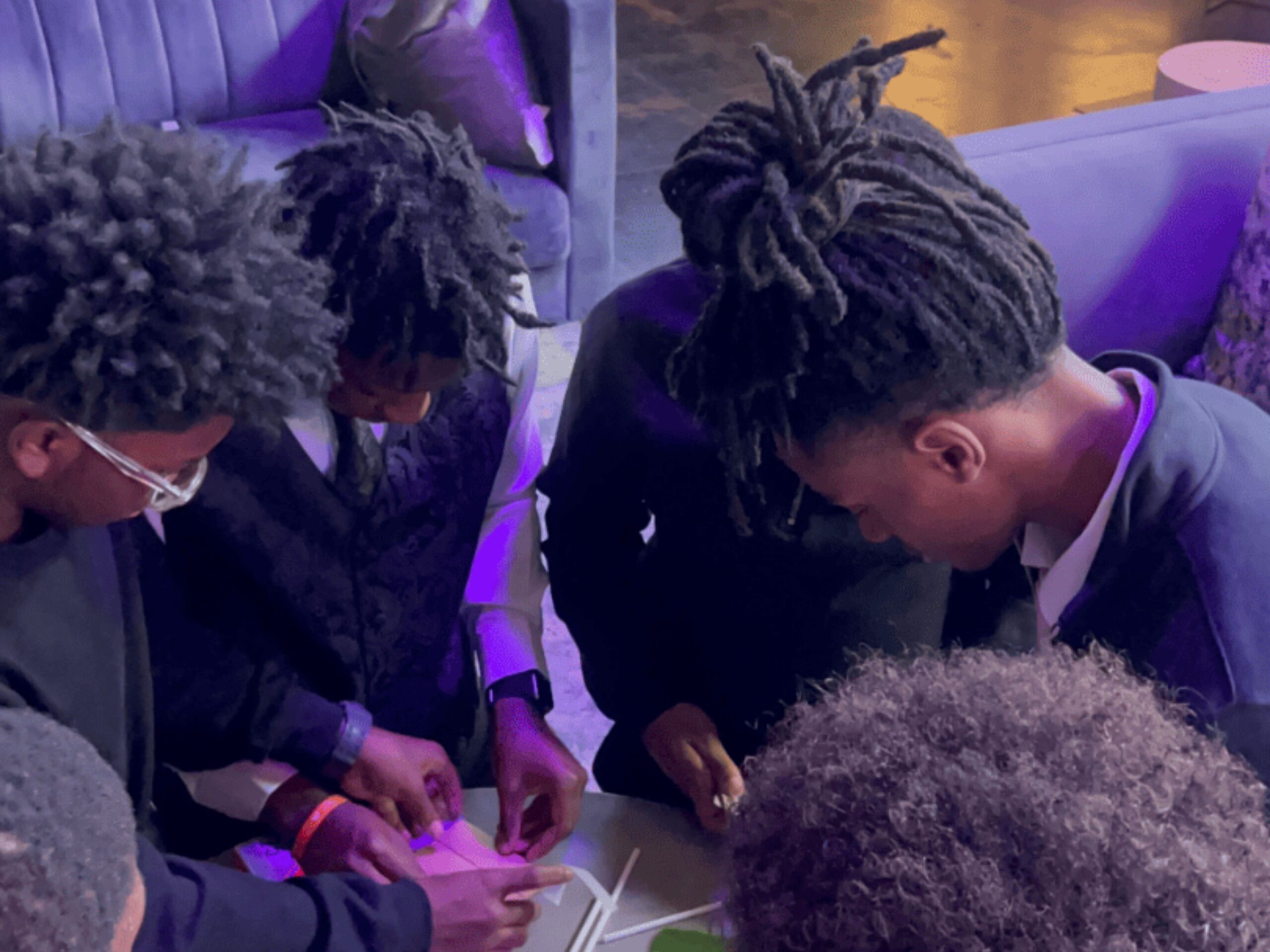
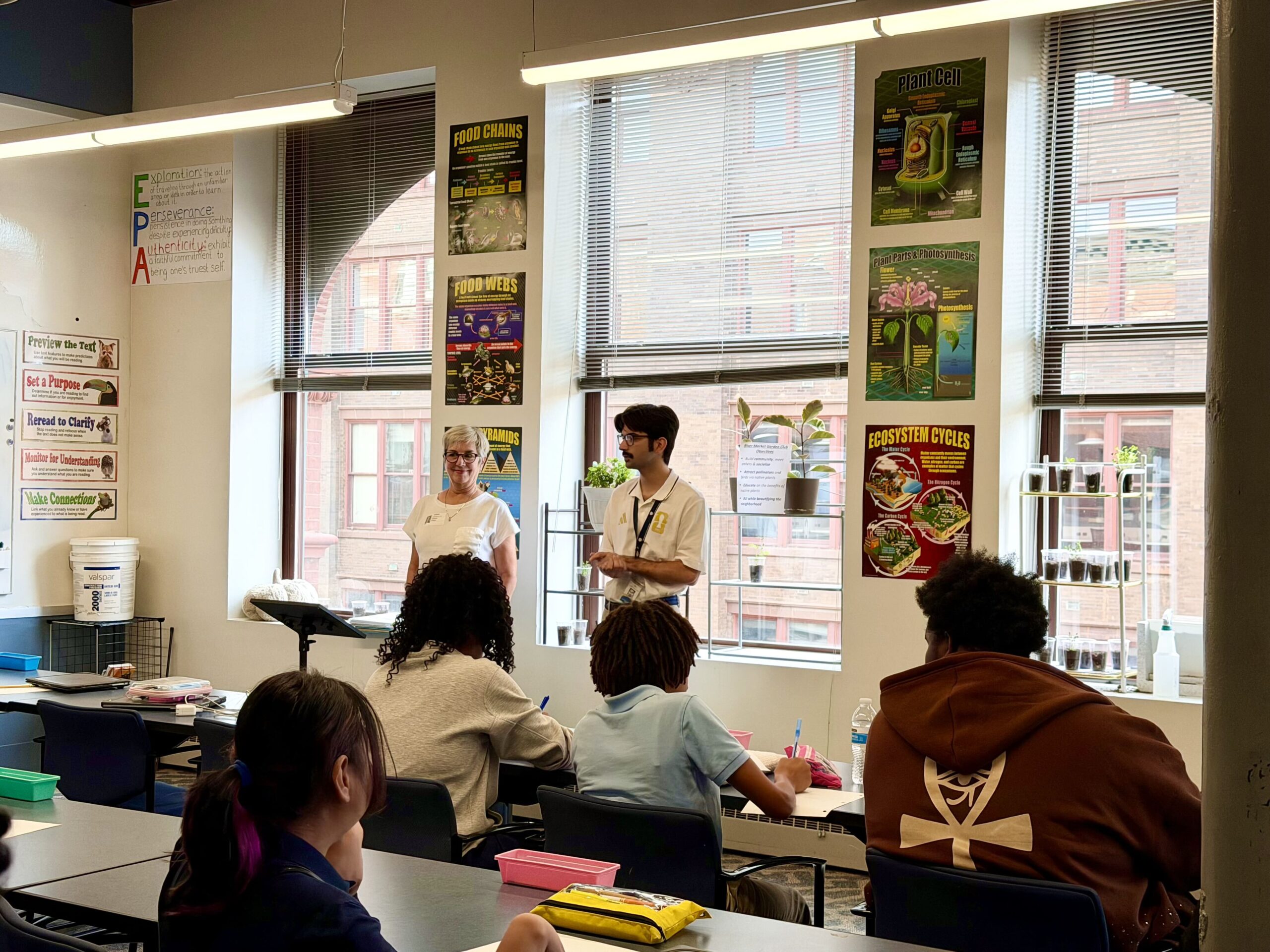
Crossroads students in an Urban Gardening class recently met with Ms. Deborah from the River Market Gardening Club.
She brought them four real challenges around soil and water, education, tracking wildlife, and hands-on gardening.
But the important part is what students were not given.
They were not given the answer. They were given problems worth solving.
How could they help people better understand the garden? What information should they collect? How could they improve the space?
That changes the student’s job.
Your job is no longer to figure out what the teacher wants you to say. Your job is to figure out what the problem needs from you.
THINKING STARTS WHEN THE NEXT STEP ISN’T GIVEN TO YOU.
A lot of schoolwork tells you what kind of problem you are solving.
Here is the question. Here is the information. Now find the answer.
Real problems are rarely that neat.
Sometimes you have to figure out what the problem actually is. Then you have to decide what information you need.
You ask. You listen. You connect ideas. You try something.
Then you learn from what happens. That is thinking.
GOOD THINKERS DON’T JUST CHANGE THEIR ANSWERS. THEY CHANGE THEIR QUESTIONS.
Your first question may not be your best one.
Maybe you start with: “How can we make a better sign?”
Then you learn more and realize the better question is: “What do people need to know when they visit this garden?”
That changes what you create.
Thinking is not only about finding the right answer. Honestly and sometimes, it is about discovering that you have been asking the wrong question.
A LEARNER KNOWS THINGS. A CREATOR DOES SOMETHING WITH THEM.
At Crossroads, Creative Culture means every member of the community is both a learner and a creator.
Learning about soil is valuable. But then someone asks you to help improve real soil in a real garden.
Now knowing is not enough.
You have to decide what matters. You have to make choices. You may have to test an idea and change it. You have to create something that was not there before.
That is the move from learner to creator.
THE FUTURE WILL NOT TELL YOU WHICH LESSON TO USE.
In school, the top of the page may tell you what kind of problem you are solving.
Math. Science. Writing.
Life usually doesn’t.
A real problem may require all three. It may also require you to listen, ask a better question, make a choice, and change your mind.
Nobody tells you which tool to use first.
That is why learning how to think matters.
School cannot give you every answer you will need.
It can give you something better: The ability to face a problem you have never seen before and begin figuring it out.
You cannot memorize your way through a future you have never seen. You have to learn how to think your way through it.
That is what it means to be Built for What’s Next.
P.S. Built for What’s Next isn’t a newsletter about school events. It’s about the beliefs behind great schools–and how those beliefs shape young lives. Each week, we pull back the curtain on the choices, relationships, and everyday moments that help students grow in confidence, character, and purpose. If you’d like to learn more about the Crossroads approach and the community we’re building together, visit CrossroadsSchoolsKC.org.