Most schools try to bring the real world into the classroom.
Sometimes, the better move is to bring the classroom into the real world.
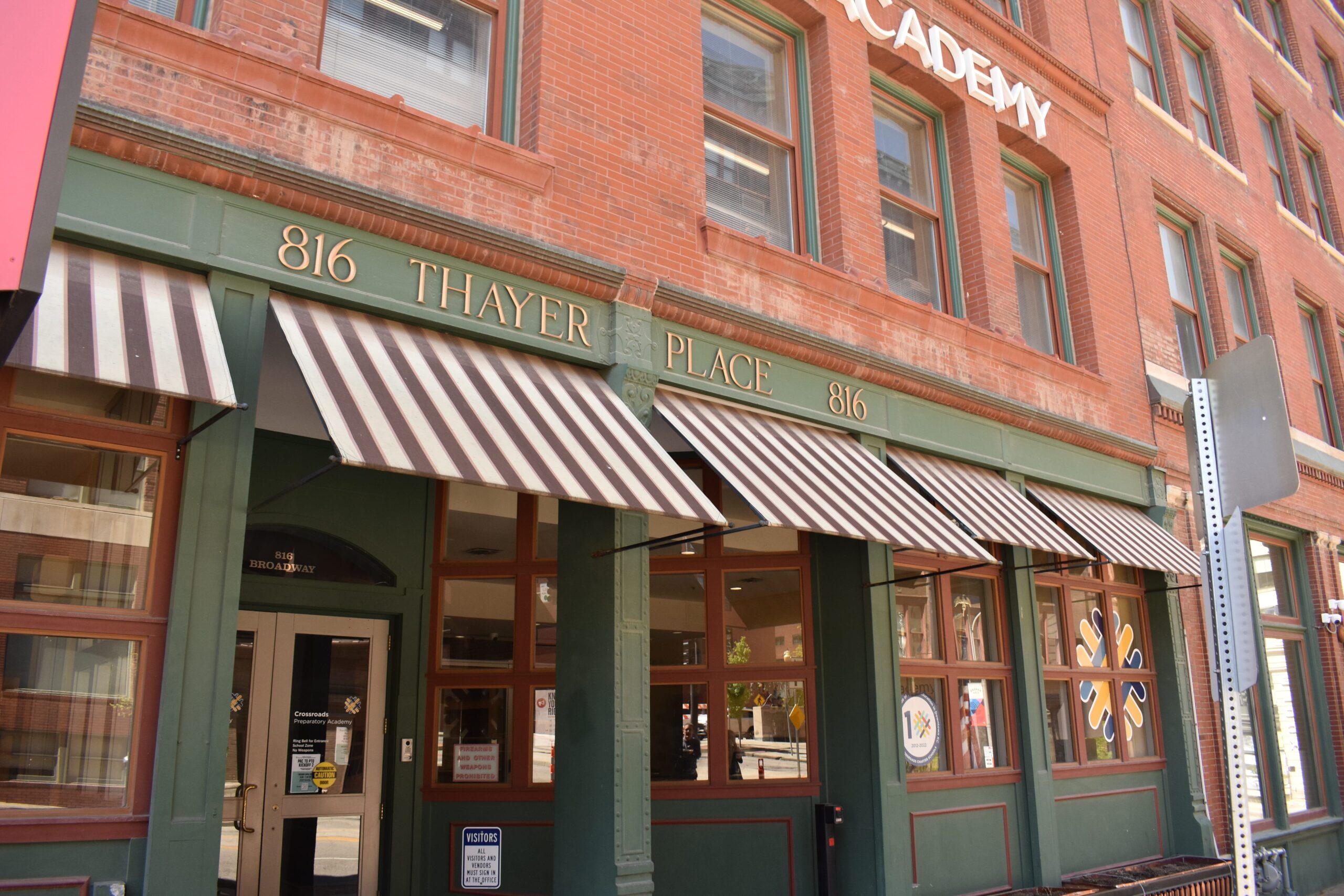
That is one of the advantages of learning in the heart of downtown Kansas City.
You do not have to build a fake version of the real world inside a school when the real world is right outside the door.
And when you learn to see the city as part of the classroom, learning starts to feel different.
A CLASSROOM SHOULD NOT BE THE EDGE OF YOUR WORLD.
There are things you can learn at a desk. There are things you can learn from a book.
Both matter!
But eventually, what you learn has to connect to something beyond the classroom.
- A lesson gets stronger when you can see where it lives in the real world.
- A question gets better when you can ask it to someone doing the work.
- An idea becomes more useful when someone outside of school is counting on you to use it well.
That is when learning stops feeling separate from life.
REAL WORLD LEARNING CHANGES WHEN THE WORK IS REAL.
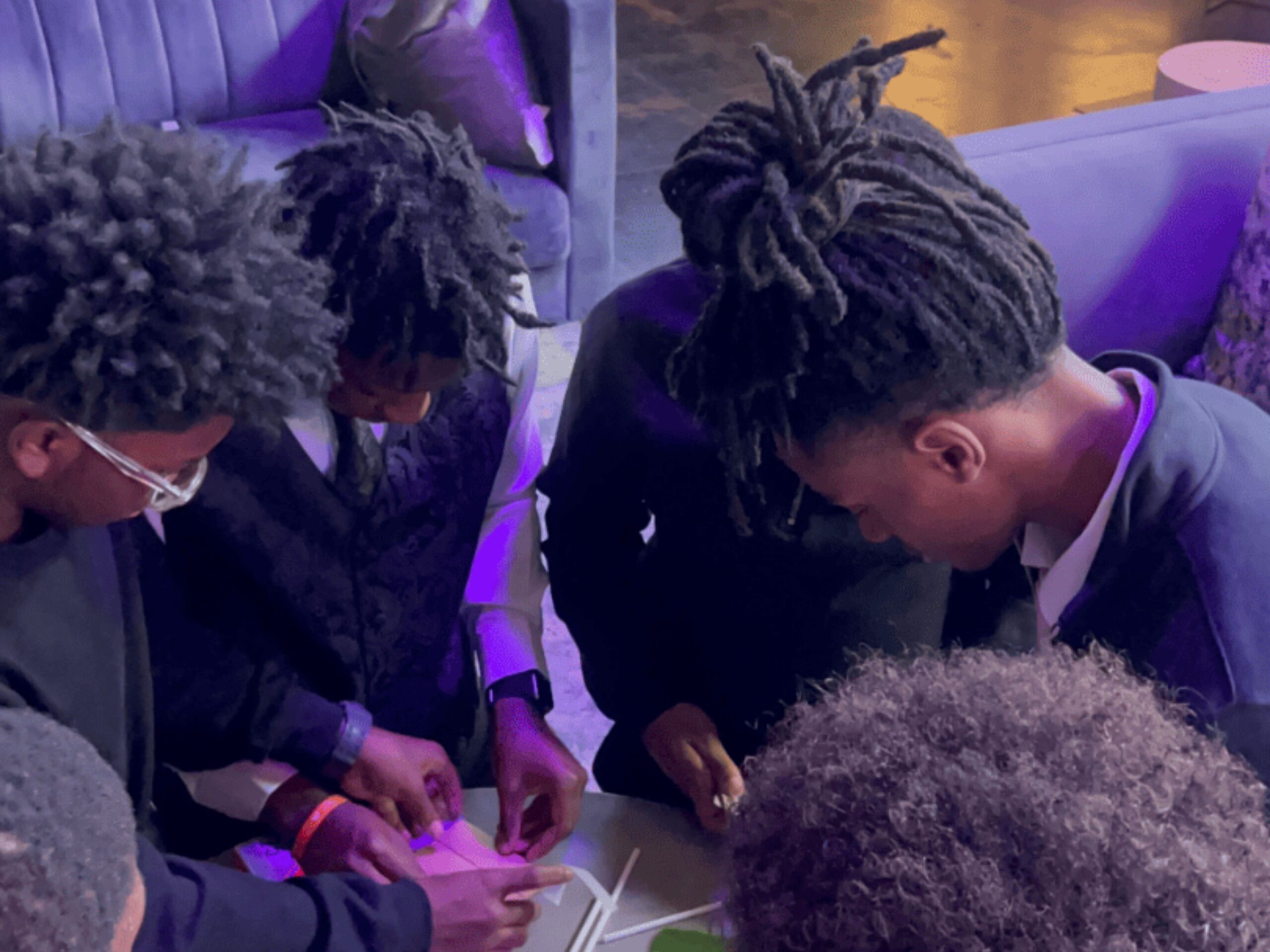
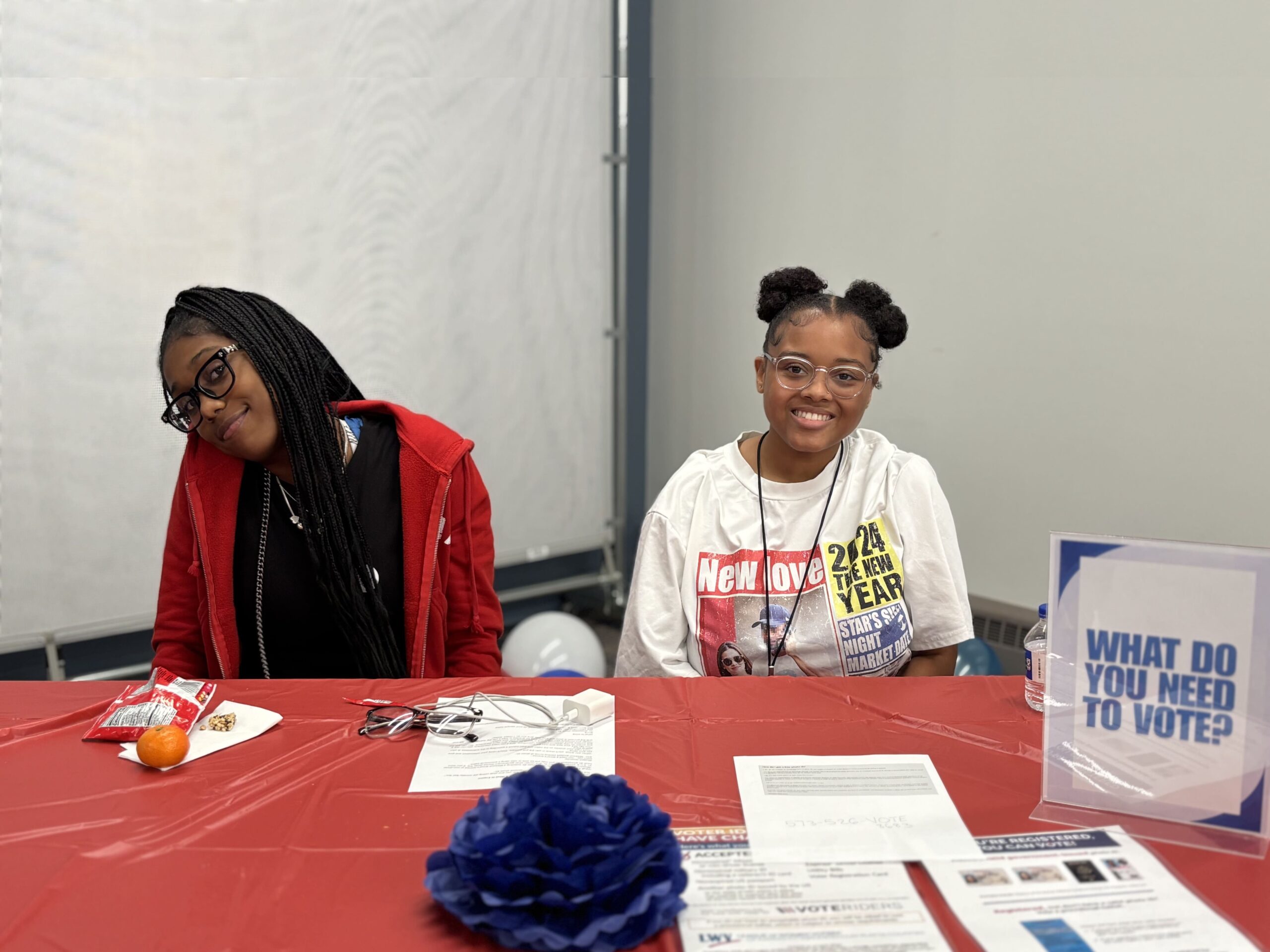
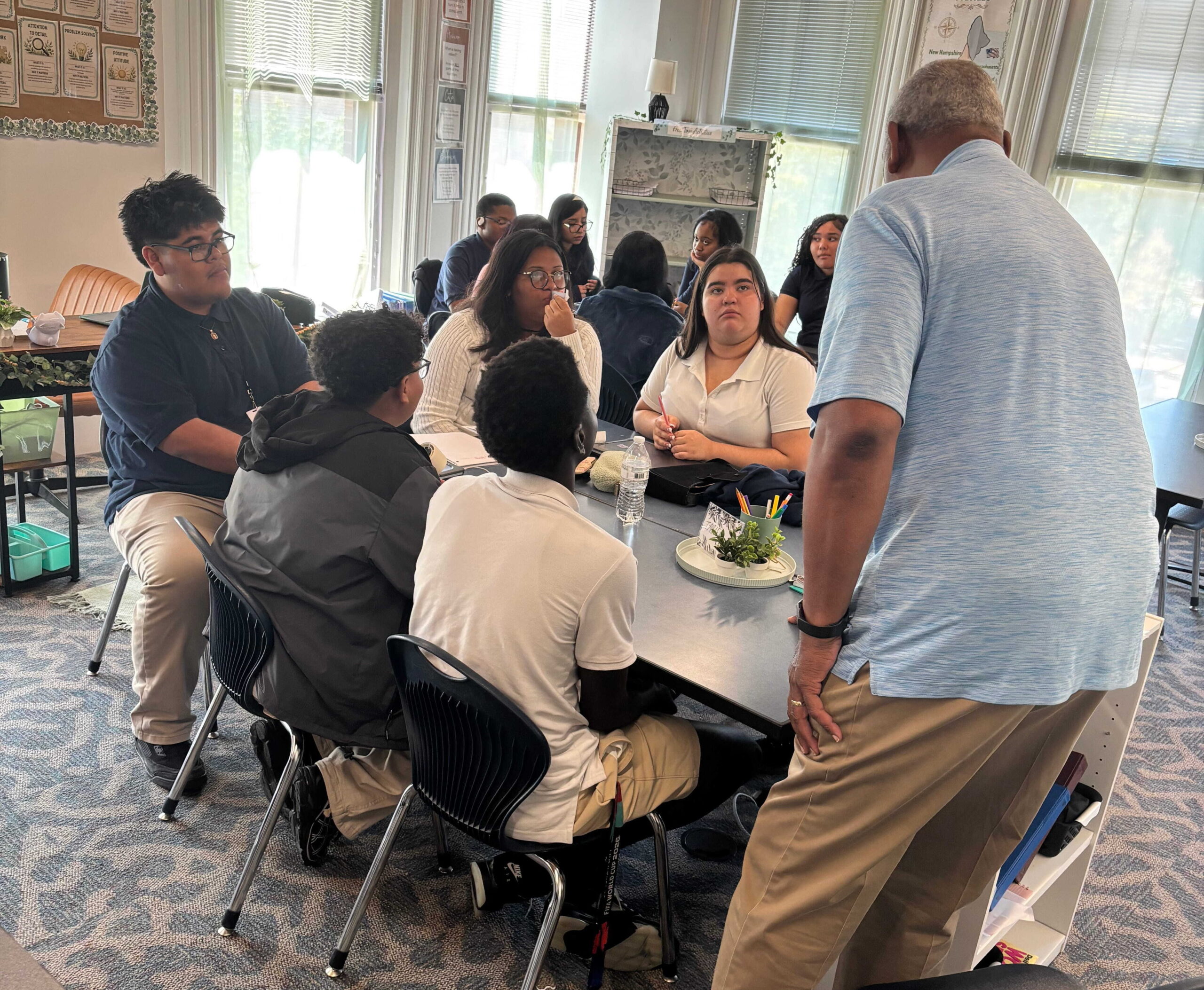
At Crossroads, students recently met with a community partner in a Client Connected Project Course.
They were not working through a made-up problem. They were asking questions, listening, and beginning work connected to a real voter registration event.
That changes the stakes.
When the work has a real client, the questions matter more. The details matter more. The way you listen matters more.
And the final work matters because it is meant for someone beyond the classroom. That is hard to copy with a worksheet.
KANSAS CITY GIVES LEARNING SOMETHING A CLASSROOM ALONE CANNOT.
When your school sits in downtown Kansas City, you are surrounded by things worth studying.
People. Businesses. History. Art. Public spaces. Problems. Ideas.
You may pass those things every day without stopping to think much about them.
Then learning teaches you to look again.
Who is doing this work? Why does this place work the way it does? What problem is someone trying to solve? What would make it better?
Kansas City stops being the place outside school.
It becomes part of the lesson.
REAL PLACES GIVE YOUR LEARNING A REASON.
One of the best questions you can ask is: “Why do I need to know this?”
Real World Learning can help answer it.
- Writing matters when you need to explain something clearly to another person.
- Math matters when numbers help you understand a real problem.
- Research matters when someone is counting on you to get the facts right.
- Listening matters when the person across the table knows something you do not.
What you learn starts to have a job. That is a powerful shift.
A CITY CAN TEACH THINGS A TEXTBOOK CANNOT.
A textbook can explain how something works. A city can let you watch it work.
You can see people making choices. You can hear how they think. You can ask what is hard about their work and why it matters.
You also discover that real problems are often messy.
There may not be one right answer. There may not be a neat set of steps.
You may have to listen, adjust, try again, and make a choice.
That is not a break from learning. That is the kind of learning life will keep asking you to do.
THE GOAL IS NOT TO GET YOU OUT OF THE CLASSROOM–IT IS TO MAKE THE CLASSROOM BIGGER.
Real World Learning is not about leaving school just to go somewhere different.
The place has to matter. The people have to matter. The work has to connect to what you are learning.
And when it does, something important happens.
You stop seeing the city as a backdrop. You start seeing it as a place you can understand, question, contribute to, and help shape.
That is why Kansas City is one of our classrooms.
You are not learning about the world just so you can know more about it. You are learning how the world works so you can take part in what happens next.
That is what it means to be Built for What’s Next.
P.S. Built for What’s Next isn’t a newsletter about school events. It’s about the beliefs behind great schools–and how those beliefs shape young lives. Each week, we pull back the curtain on the choices, relationships, and everyday moments that help students grow in confidence, character, and purpose. If you’d like to learn more about the Crossroads approach and the community we’re building together, visit CrossroadsSchoolsKC.org.