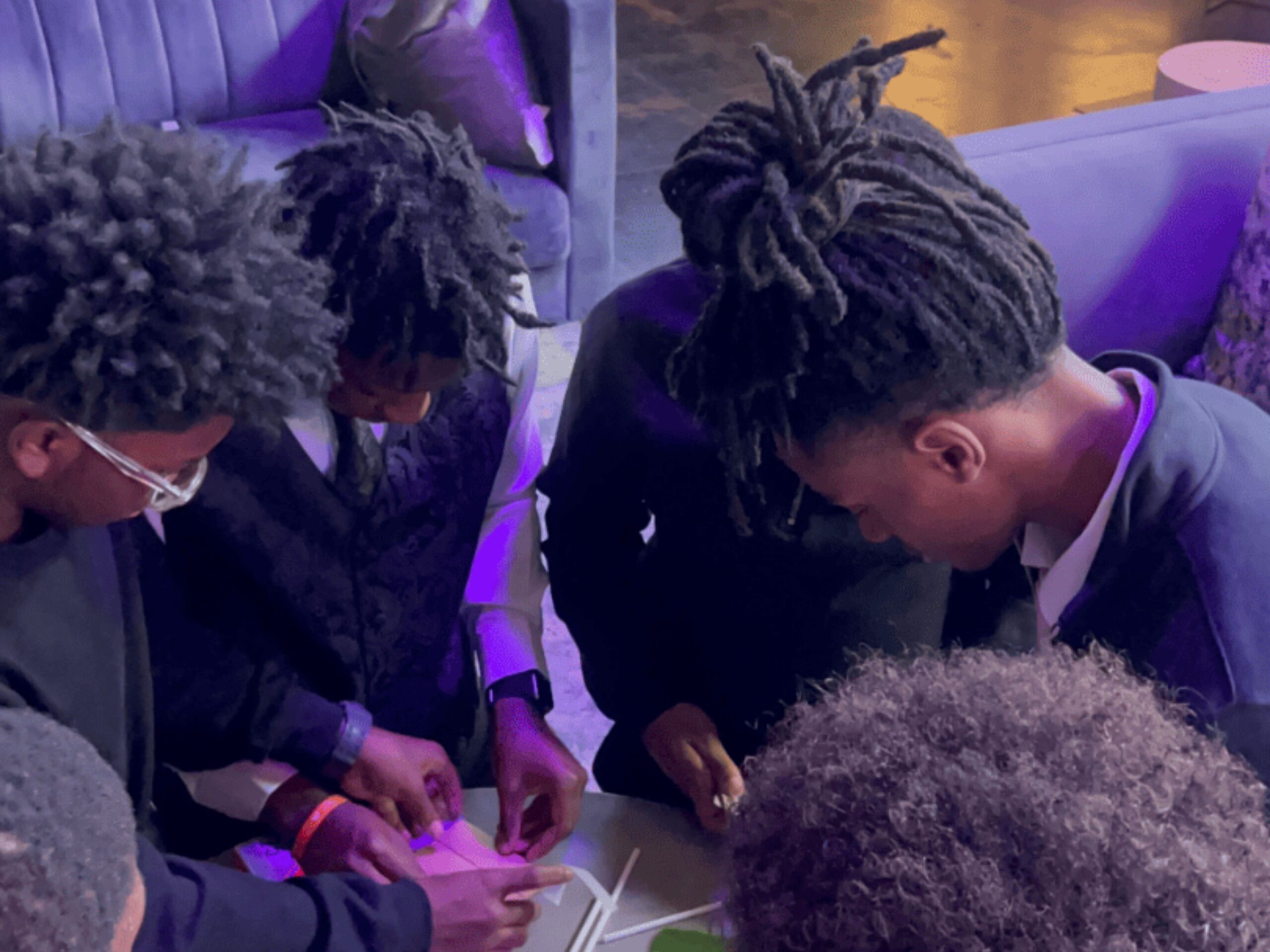
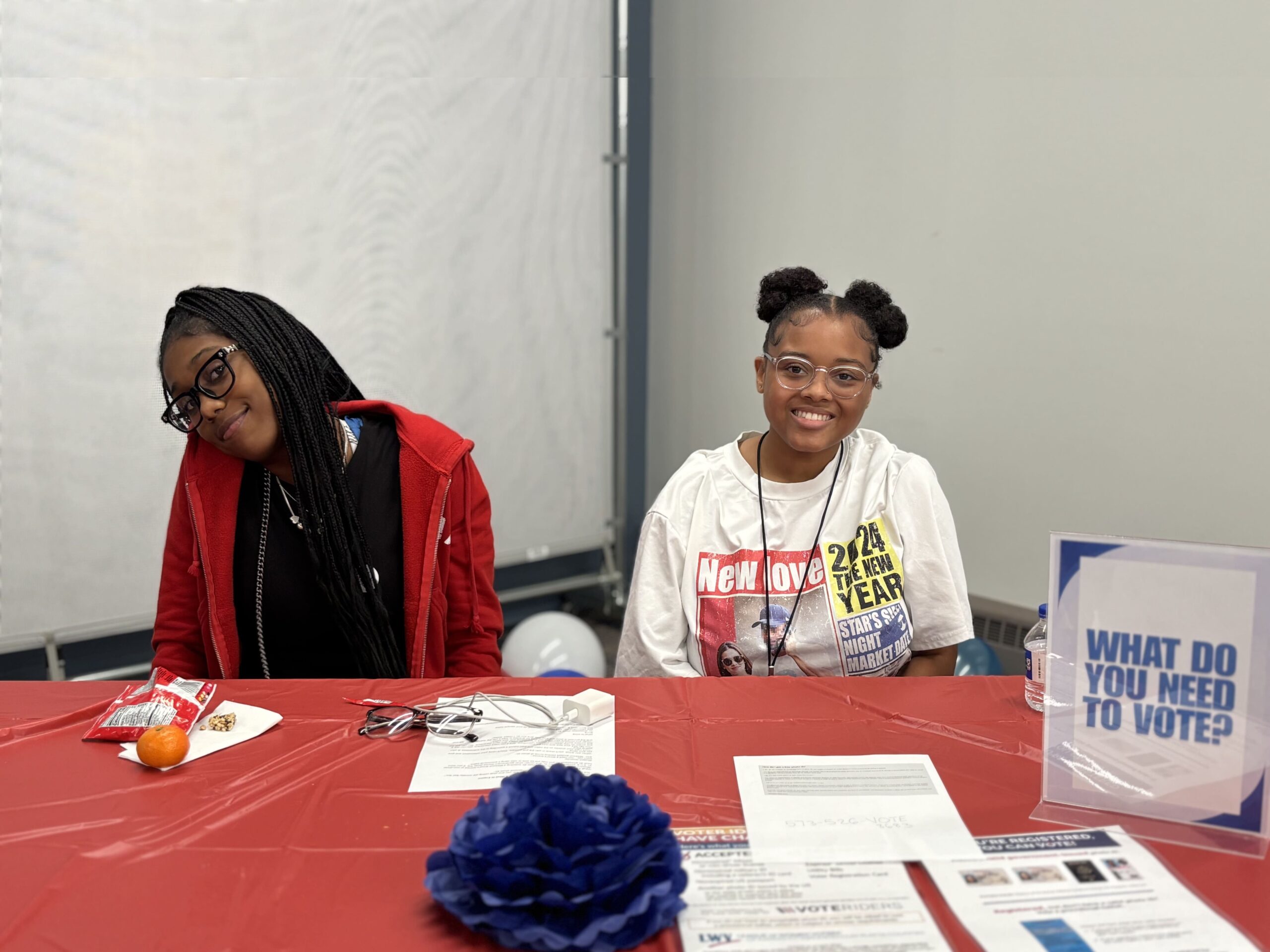
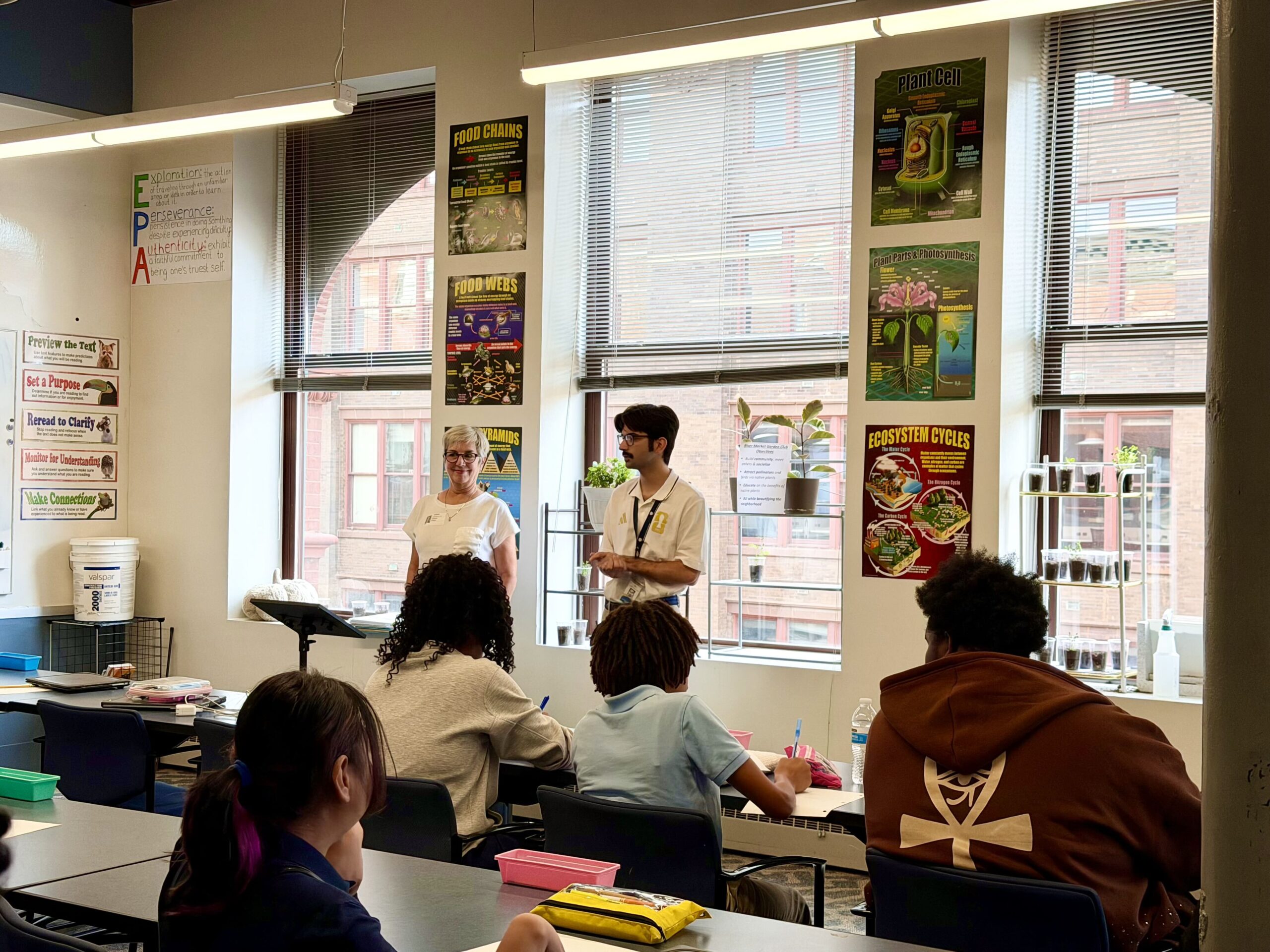
In school, the problem often comes with a label.
Math. Science. Writing.
Then you walk outside and the labels disappear.
That matters at Crossroads because walking outside puts you in the middle of downtown Kansas City.
And the city does not tell you which lesson applies. You have to decide.
KNOWING SOMETHING AND KNOWING WHEN TO USE IT ARE DIFFERENT SKILLS.
You can learn percentages in math. You can learn how to ask good questions in English. You can learn about ecosystems in science.
Indeed, all of that knowledge matters!
But there is another skill: Can you recognize when something you learned might help with the problem in front of you?
In school, the tool can be clear. In the real world, you may have to choose the tool yourself.
That is one reason Real World Learning is one of Crossroads’ core beliefs. Students don’t only need knowledge. They need chances to practice using it.
AT CROSSROADS, DOWNTOWN ISN’T THE BACKDROP. IT IS PART OF THE CLASSROOM.
This idea is built into where and how Crossroads students learn.
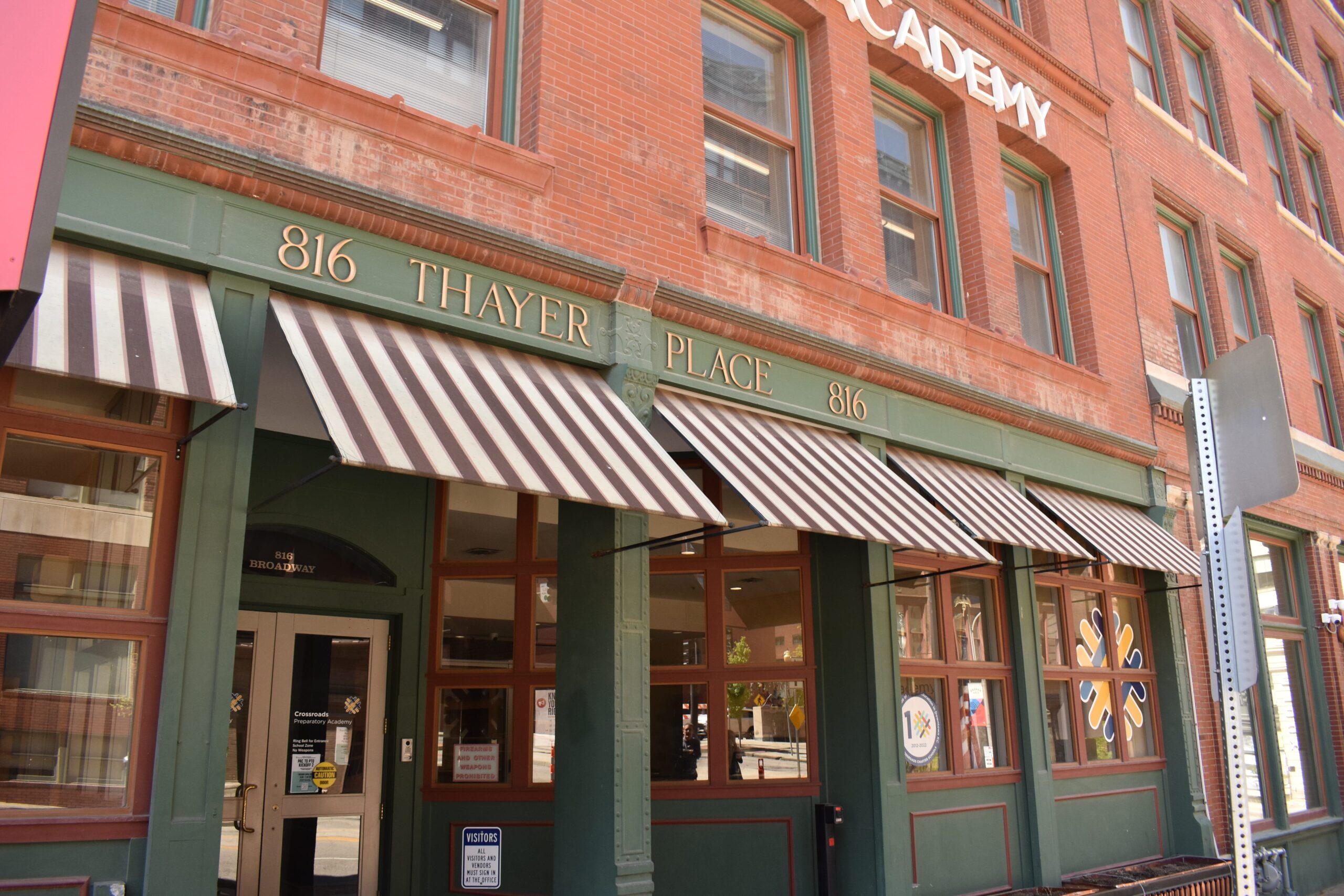
Students regularly visit the Central Library. Recess can happen at Barney Allis Plaza and Case Park. Students visit downtown galleries, theaters, parks, and businesses. Community professionals also come into Crossroads classrooms to share what they know.
At Crossroads Prep, the model goes even further. Project-based learning is anchored in what Crossroads calls the “Downtown KC” classroom.
But simply walking outside does not create learning. Location is not the lesson.
What matters is what the place asks you to notice, question, connect, or solve.
THE POWER ISN’T IN THE SIDEWALK. IT’S IN WHAT THE SIDEWALK MAKES POSSIBLE.
A downtown expedition should not be a break from learning. It should make learning harder to separate from life.
That is why Crossroads describes Real World Learning as hands-on, project-based, and authentic. Students explore real issues and problems rather than only reading about them from a distance.
The classroom helps you build the tools.
Kansas City gives you places to decide which tools matter.
Suddenly, the question is not only: “What did I learn?”
It becomes: “What do I know that could help here?”
That is a much harder question–and a much more useful one.
YOU CAN KNOW WHAT SOMETHING MEANS WITHOUT KNOWING WHAT IT IS FOR.
The desk and the sidewalk are not competing with each other.
You need both.
At a desk, you can build knowledge, practice a skill, read closely, and prepare. Then a real experience can ask you to use what you learned.
And something changes when that happens. You can know what something means.
Using it teaches you what it is for.
That is the deeper reason Crossroads treats Kansas City as part of the learning environment. The city gives knowledge somewhere to go.
THE FUTURE WON’T TELL YOU WHICH CLASS YOU’RE IN.
One day, the problem in front of you will not say: Math. Science. Writing.
It will simply be a problem. You will have to decide what you know that can help.
That is why the desk and the sidewalk need each other.
One helps you build the tools. The other asks you to decide which tool the moment needs.
Because the future will not tell you which class you’re in.
You have to learn how to figure out what the moment needs from you.
That is what Crossroads means by Real World Learning and that is how you become Built for What’s Next.
P.S. Built for What’s Next isn’t a newsletter about school events. It’s about the beliefs behind great schools–and how those beliefs shape young lives. Each week, we pull back the curtain on the choices, relationships, and everyday moments that help students grow in confidence, character, and purpose. If you’d like to learn more about the Crossroads approach and the community we’re building together, visit CrossroadsSchoolsKC.org.